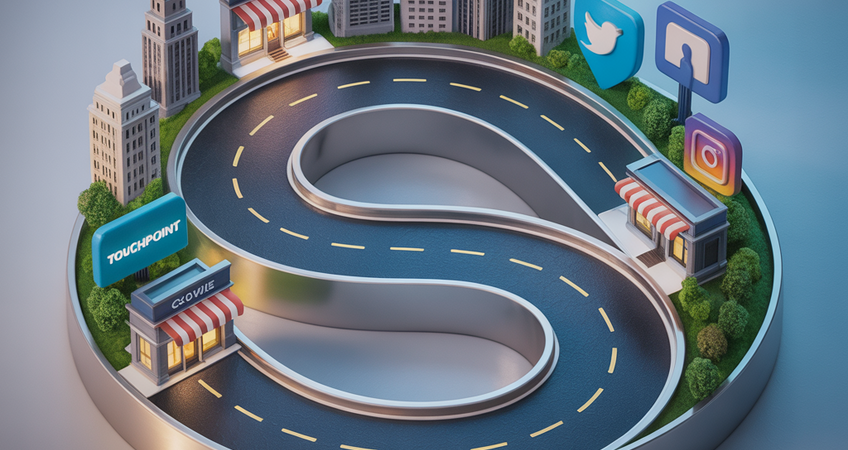
Bridging Digital and Physical Engagement via Journey Mapping
The Strategic Importance of Customer Experience Journey Mapping
In today's rapidly evolving retail landscape, the intersection of digital and physical experiences presents both challenges and opportunities. Customer experience journey mapping, a strategic tool long used to enhance crucial customer touchpoints, is now proving to be an indispensable strategic planning process for retailers and B2B's.
As consumer expectations rise and omnichannel shopping is the norm, understanding the full spectrum of end-to-end customer experiences is essential for driving engagement, satisfaction, and creating new levels of loyalty.
Defining Customer Experience Journey Mapping
Customer experience journey mapping is the deliberate process of visualising the end-to-end experiences that customers encounter when interacting with a brand and/or organisation. This involves identifying every touchpoint, every step to meet a need, every emotion, and every decision along the path from initial awareness through purchase to post-sale engagement.
By mapping these journeys, retailers and B2B's gain actionable insights into customer needs, pain points, and moments of delight, enabling targeted improvements that align with strategic business objectives.
This planning process fosters empathy for the customer, highlights inefficiencies, and uncovers opportunities to create seamless, consistent experiences across channels.
Journey mapping is not just an analytical exercise but a catalyst for meaningful customer-centric change.
The "Three Experience Pillars": Digital Buying, Post-Sale, and Customer Support
Greg Randall’s framework identifies three critical "experience pillars" that dictate where to focus this mapping process.
Pillar #1 - End-to-End Digital Buying Journeys:
This pillar focuses on the entire purchasing process online—from discovery and browsing, through checkout and payment, to order confirmation.
Mapping this journey reveals friction points such as unclear navigation, slow page loads, or complicated payment steps.
Pillar #2 - Post-Sale Experiences:
After the transaction, customers expect a smooth fulfilment process, delivery tracking, and easy returns. Mapping post-sale journeys highlights gaps in communication, delivery delays, or cumbersome return policies that can erode satisfaction.
The extension to this is visualising the journey for other product pickup services, such as click-and-collect.
Pillar #3 - Customer Support:
Effective support—whether through live chat, email, or phone—is crucial for resolving issues and reinforcing trust.
- Journey mapping here identifies
- Support bottlenecks
- Inconsistent employee responses
- Long customer wait times, and
- The ideal methods for providing various forms of support throughout the customer journey
All of the above are considered through the context of how to impact immediate online sales and overall loyalty.
By systematically mapping these three pillars, retailers can uncover and address barriers that hinder customer engagement and retention.
2025 Statistics on Customer Dissatisfaction within the Three Pillars
Verified 2025 research underscores the urgency of optimising these three journeys as an immediate priority.
- 91% of consumers report encountering frustrating digital buying experiences.
- Poor digital journeys caused 50% of consumers to switch to competitors.
- 79% of consumers would be deterred from purchasing again after a negative post-purchase experience, such as a bad delivery experience or a confusing returns process.
- 89% of customers cease doing business with a company due to poor customer service.
In contrast, only 42% of physical retail customers expressed dissatisfaction, with most complaints centred on product availability and staff responsiveness.
Side note: While product availability has many facets, staff responsiveness is a more straightforward fix.
The same research found that 57% of consumers who experienced digital frustrations were less likely to visit the physical store, underscoring the profound impact of digital interactions on in-person engagement.

Retailers who invested in journey mapping and strengthened their experience pillars saw a 23% increase in cross-channel loyalty within 12 months.
Physical Retail - the Fourth Pillar:
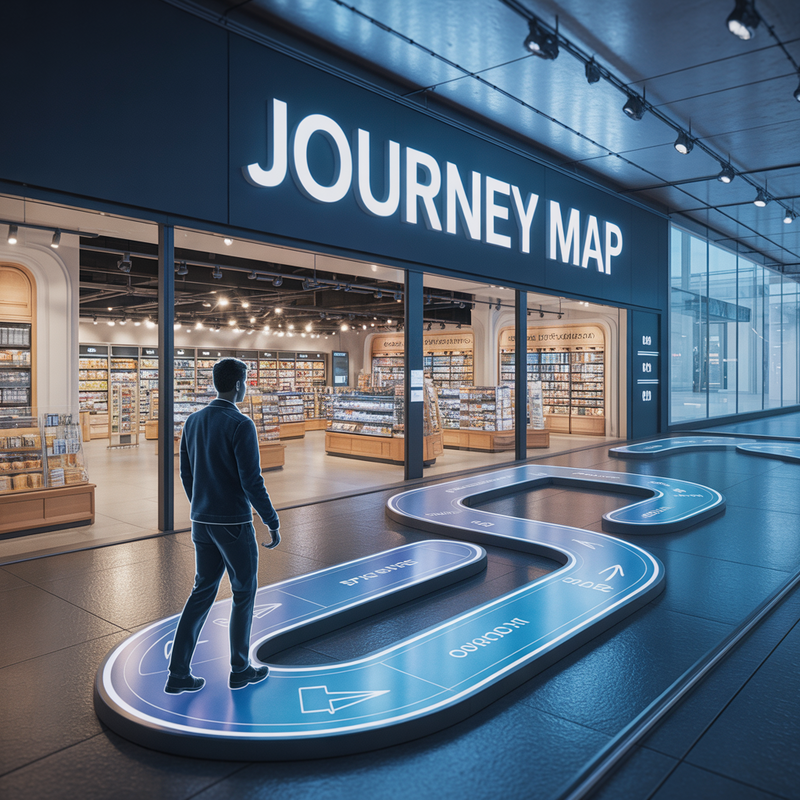
Physical retail remains a vital component of the customer journey, offering tangible experiences, immediate product access, and human interaction. Its strengths lie in sensory engagement, brand immersion, and personalised service.
However, as digital experiences increasingly influence customer perceptions, the physical store’s role is evolving from transactional hub to experiential destination and a convenient pickup location.
Retailers must recognise that digital and physical journeys are deeply interlinked. A fragmented online experience discourages in-store visits, while a seamless digital journey drives traffic and enhances the overall brand relationship.
Improving the "Three Experience Pillars" Enhances Physical Retail
Enhancing the three digital experience pillars has a direct, positive impact on physical retail.
When customers encounter streamlined online purchasing, proactive post-sale communication, and responsive support, their trust in the brand grows.
This trust translates into increased willingness to visit stores and higher in-store conversion rates.
Moreover, customer experience journey mapping uncovers insights that can inform in-store improvements, such as optimising store layouts to mirror popular online navigation or training retail staff to resolve issues identified in digital support channels.
Customer Experience Journey Mapping is Strategic
Treating journey mapping as a strategic project ensures that discoveries translate into actionable change. When working with a journey mapping specialist, the process....
- Engages cross-functional teams, including digital teams, store operations, and customer service, as a method to gather comprehensive insights.
- Uses visual journey maps to identify critical touchpoints and prioritise improvements based on first-party customer-centric data.
- Establishes clear metrics for success, such as reduced abandonment rates, higher customer satisfaction scores, and increased retention.
This mapping process produces a customer-centric road map for change.

Journey Mapping = Customer-Centric Planning
Customer journey mapping is no longer optional; it is essential for retailers and B2B's seeking to bridge the gap between digital and physical experiences.
By focusing on the three experience pillars and recognising the physical store as a complementary fourth, businesses can proactively address dissatisfaction, foster loyalty, and ensure relevance in a competitive market.
The ripple effects of experience improvements will be felt across the entire retail/B2B ecosystem, elevating both digital and physical customer engagement in 2026 and beyond.
For help defining your eCommerce priorities and roadmap, explore Comma Consulting's eCommerce strategy and strategic planning services.
Or learn more about Greg Randall's eCommerce consulting experience.
This article was as tagged as Digital Strategy , eCommerce Consulting , UX Design